Member of the month: Umpire Troubles in Provence
23.06.25
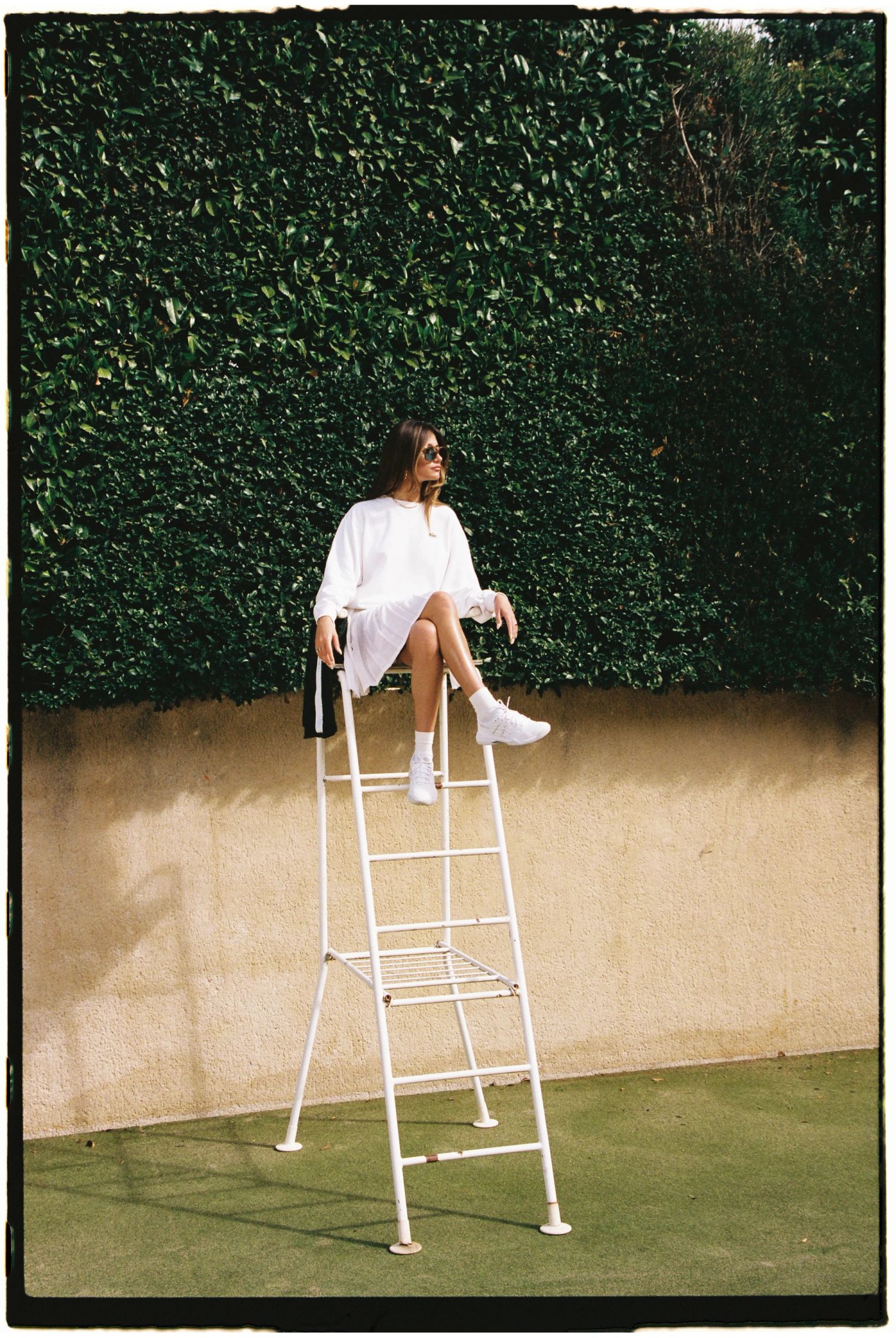
Celine Chambourg, Tournament Umpire
It’s lonely at the top. Quite literally, in the case of Celine Chambourg: tournament umpire, weekend spearfisher, and… well, it’s hard to think of a third attribute, to be honest. That’s the way Celine likes it. Inscrutable. Unknowable. Ethereal. Sat in her high-chair far above the club’s more mundane goings-on, Celine sees all, like the CIA, whom she refused to work for due to reasons of uniform A final ombudsman in some of the great tournament upsets of recent years (including a dramatic set-point in which a hefty lob was diverted by a low-flying Cessna), Celine lives alone in an architecturally significant cliffside villa whose sizable mortgage has been generously underwritten by seven-time Over-60s champion Rocco Salabanzi.
Who are you?
I’m myself. I always have been.
How long have you been a member of The Rochambeau Club?
Since I joined (and significantly reformed) the club’s Ball Child Academy in the mid-90s.
What are some of your favourite memories of the club?
At the age of 13, I successfully sued a line-judge over his interpretation of rule 19.4 (iii) in the ITF Official Rule Book.
What do you do “for a living”?
I keep Hawkeye out of a job.
How did you get your first break?
I started out as a pro-bono referee for petanque games in the square in St. Paul-de-Vence. I later handed out the sport’s first red card.
What is the most important thing you’ve learned in your career so far?
There’s no such thing as a free Umbrian palazzo.
Who is the most interesting person you know?
Nicholas Sarkozy throws a decent human rights tribunal.
How would you describe your playing style (tennis/baby grand piano)?
Unforgiving.
Do you have a favourite pair of shoes?
I try to walk in the shoes of the players. It helps me better understand all the ways they might cheat.
Do you have a favourite sorbet?
Perrier flavoured. It is admittedly subtle.
Beyond the Baseline: A Cultural Exchange"
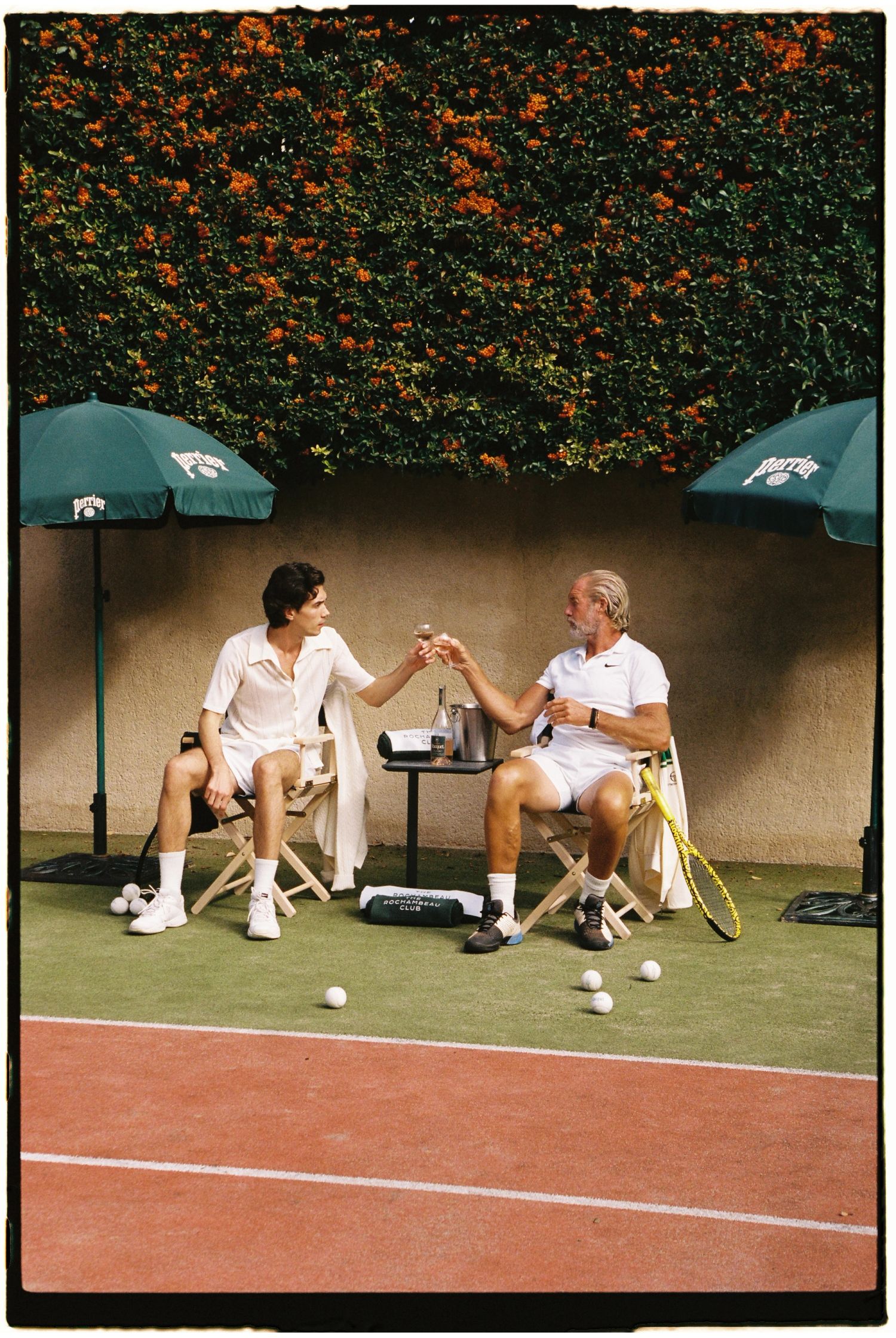
More than just a sport, tennis in the South of France during the 80s was a means of connecting people from all corners of the globe. The tennis courts were more than playing fields; they were spaces of cultural exchange. After exhilarating matches, players gathered at charming cafes, sharing stories and experiences, creating friendships that transcended borders.
What is your go-to order at the bar?
Milk, decaf.
How do you take your steak?
In private.
Where do you ski?
At night, mostly.
What are you doing tomorrow?
Co-ordinating a class action.
What is your personal motto?
“Who judges the line judges?”